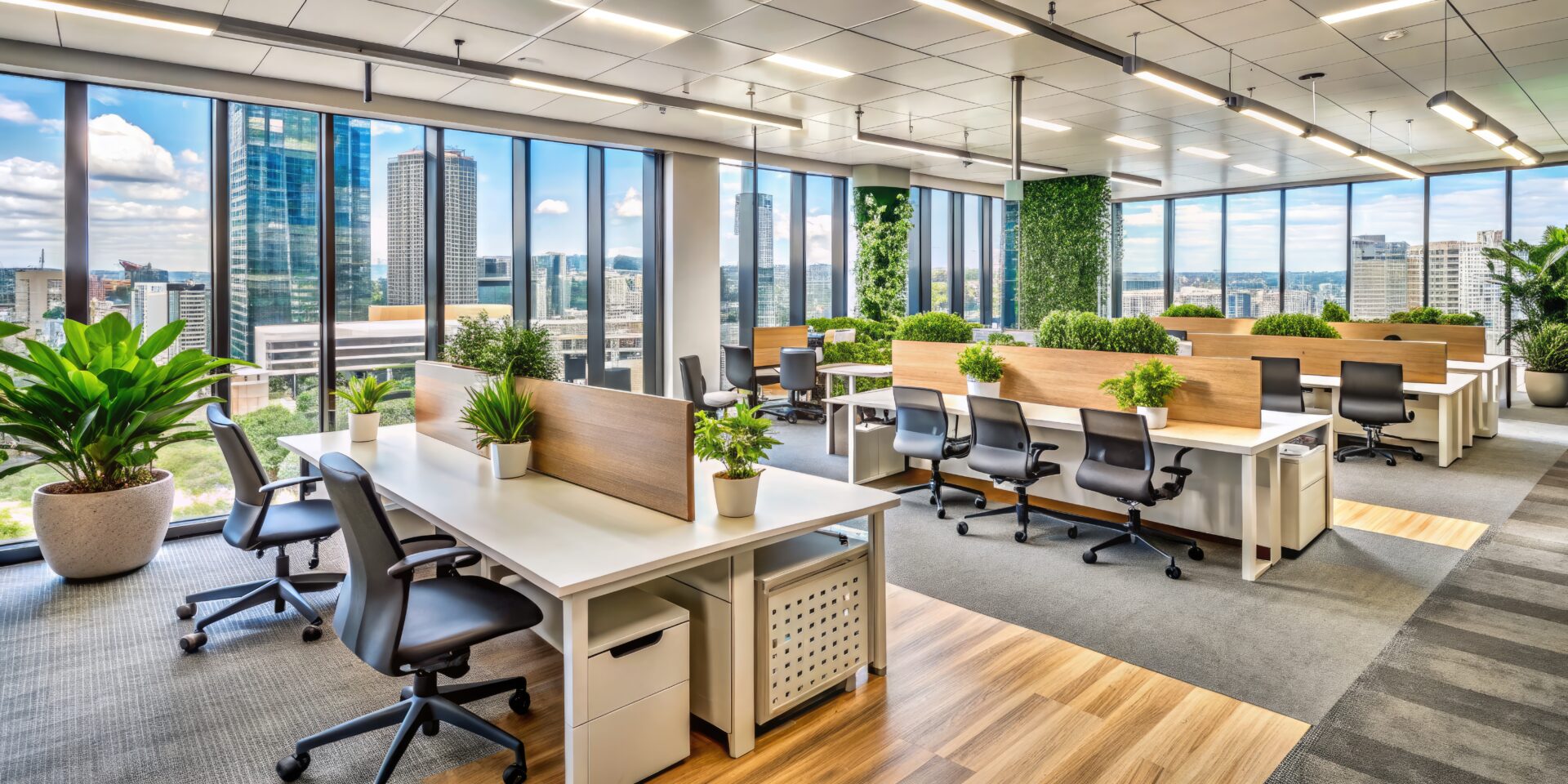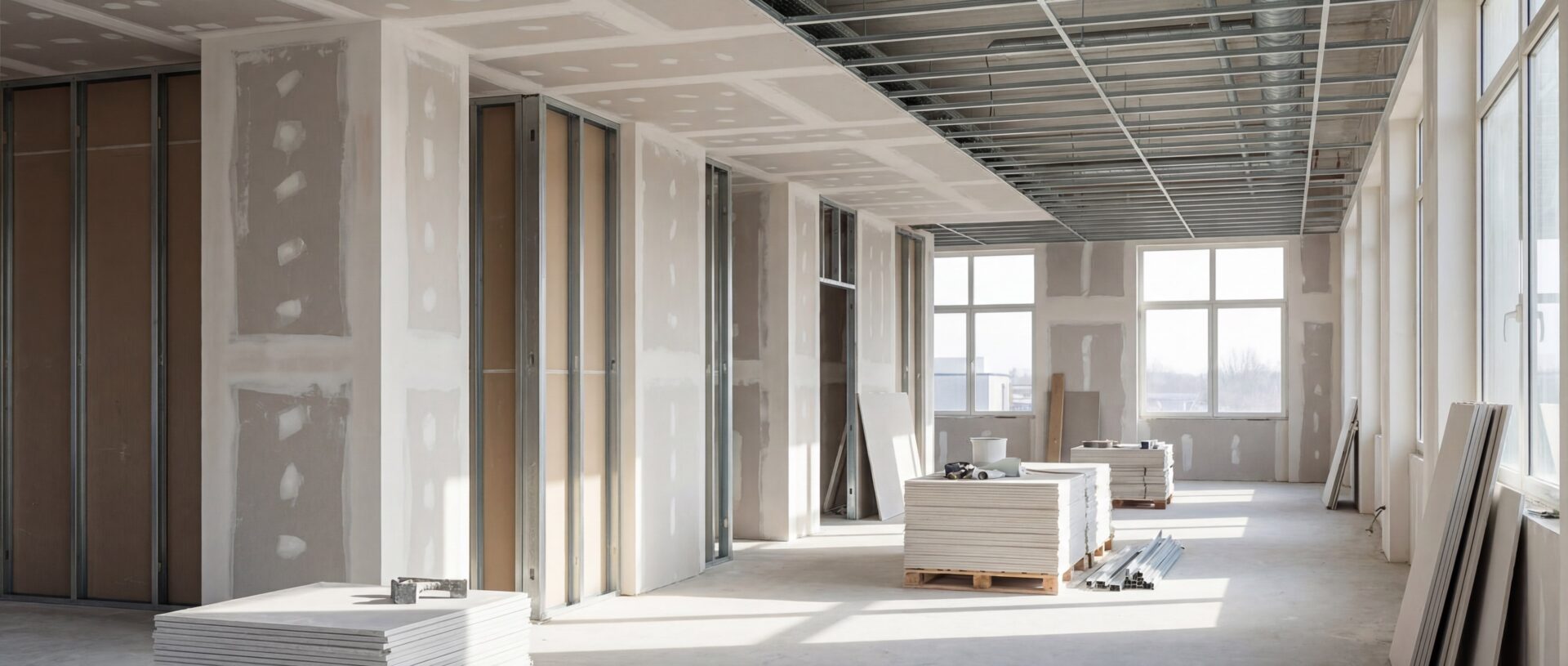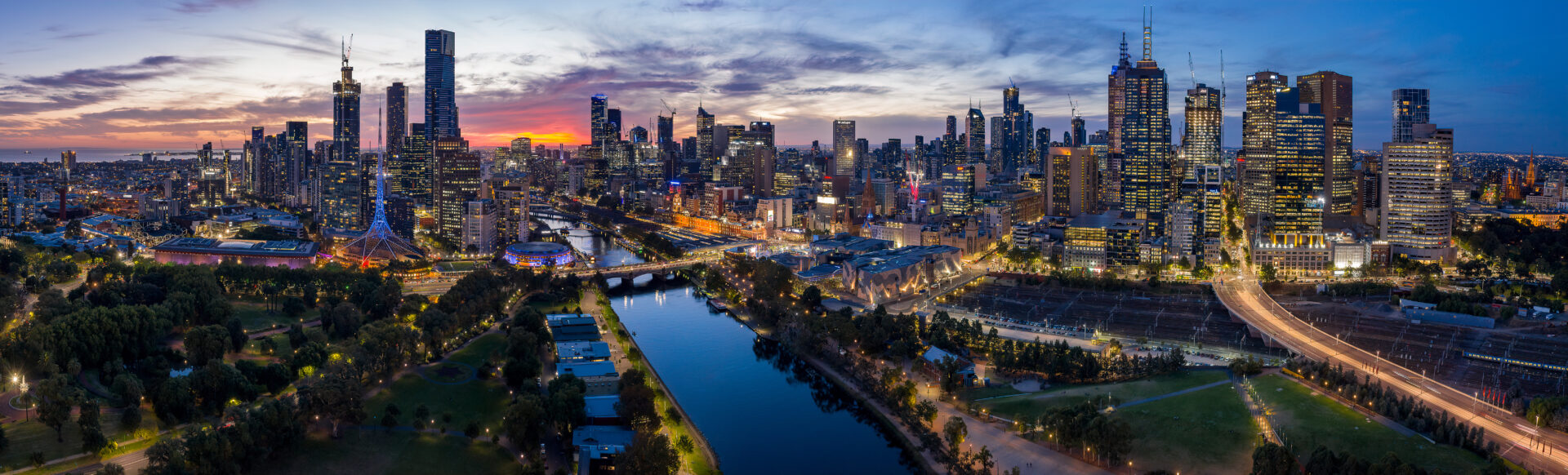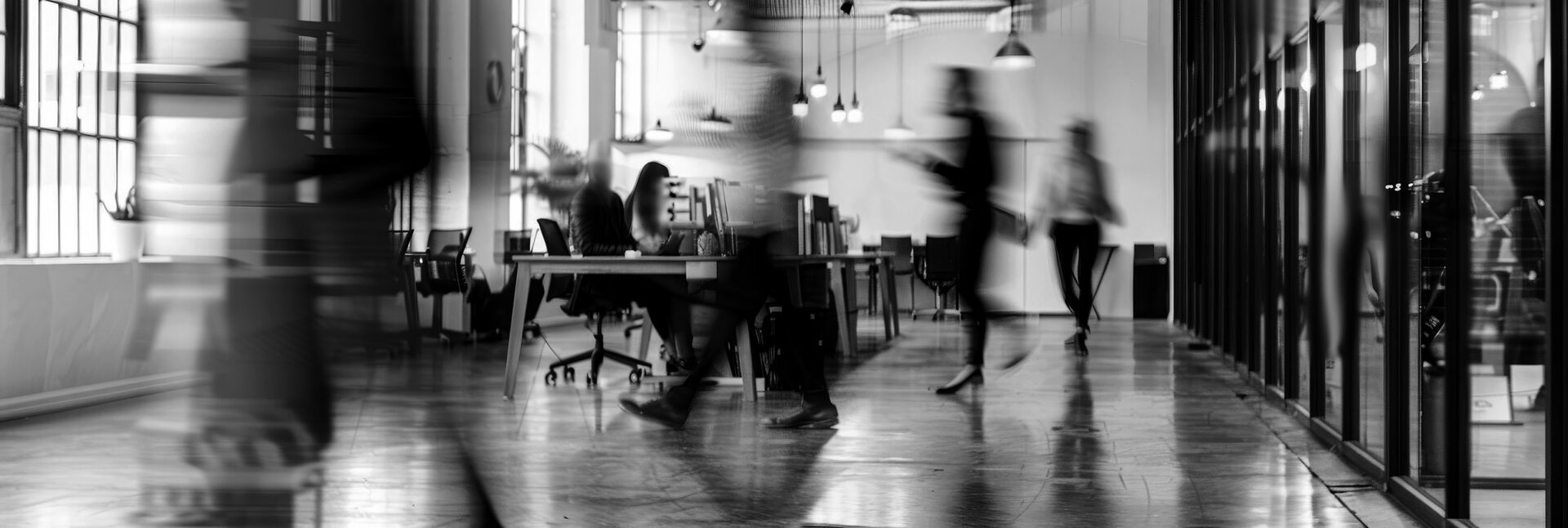
For Melbourne businesses navigating hybrid work, staff retention, and rising expectations, the office is no longer just a place to work — it's a statement about how you value your people.
For decades, the Melbourne office was a fairly predictable thing. A reception area, rows of workstations, a boardroom, a kitchen. Maybe a breakout space if you were forward-thinking. The formula was settled, and most businesses applied it without much question.
That formula no longer works.
The way Melbourne businesses operate has shifted fundamentally — and the physical spaces that support those businesses need to shift with them. For many organisations, there is now a growing and uncomfortable gap between the workspace they have and the workspace their people actually need.
What's Changed, And Why It Matters
The most obvious catalyst was the pandemic. Remote work proved, at scale, that many roles could be performed outside a traditional office. But rather than making the office obsolete, this shift actually raised the stakes considerably.
If people can work from home, they need a compelling reason to come in.
That reason has to be more than obligation. It has to be the quality of the environment itself — the energy, the tools, the spaces that enable genuine connection and collaboration. An office that fails to offer that isn’t just uninspiring. It’s actively working against staff attendance, morale, and retention.
At the same time, Melbourne’s commercial property market has seen businesses right-size their footprints. Many have moved to smaller tenancies — not to cut costs alone, but to focus investment on quality over quantity. A well-designed 400 square metre fitout can outperform a tired 700 square metre space in almost every measurable way.
The Retention Problem Nobody Is Talking About Loudly Enough
Talent retention has become one of the defining business challenges of the current period. And while remuneration, flexibility, and culture are the factors most commonly cited, the physical environment plays a more significant role than many leaders acknowledge.
Research consistently shows that the quality of a person’s physical workspace affects their sense of being valued. A fitout that is dated, poorly lit, acoustically uncomfortable, or simply not designed for the way people actually work sends a message — even when no one says it out loud.
Conversely, a thoughtfully designed office communicates investment. It says: we thought about you when we designed this space.
For Melbourne businesses competing for skilled people in a tight market, the workplace is increasingly a recruitment and retention tool — not just a cost line.
Hybrid Work Needs a Different Kind of Space
The hybrid model has exposed a flaw in how most offices were originally designed: they were built for full occupancy, five days a week. Fixed desks, fixed layouts, fixed thinking.
Hybrid work demands something different. On any given day, attendance fluctuates. Some people are in for deep focus work. Others are in specifically to collaborate. Some are on calls. Some need a quiet space to think.
A workspace that serves all of these needs simultaneously requires deliberate design — a mix of settings rather than a single solution. Activity-based working, quiet focus zones, collaboration spaces, video-call booths, and informal breakout areas are no longer a luxury. They are the architecture of a functioning hybrid workplace.
Businesses that have not revisited their fitout since before 2020 are, in many cases, operating a space that was not designed for the way their team now works. The friction this creates is real, even when it is difficult to quantify.
What Melbourne Tenants Are Now Expecting
The commercial tenancy market in Melbourne has also evolved from the tenant’s perspective. With vacancy rates in certain precincts remaining elevated, tenants have increasing negotiating power — and landlords are more willing to contribute to fitout costs through incentive packages than at almost any previous point.
This means the barrier to a quality fitout is lower than many businesses assume. The conversation about whether to upgrade a workspace is no longer purely about capital outlay. In many cases, a well-timed lease negotiation can significantly offset the investment required.
For businesses approaching a lease renewal or considering a relocation, the current market conditions represent a genuine opportunity — one that rewards those who approach the process with a clear brief and a credible fitout partner.
The Businesses Getting It Right
What separates the Melbourne businesses navigating this well from those that are not is rarely budget. It is intentionality.
The organisations that are getting the most from their spaces have asked some deliberate questions before committing to a fitout:
How does our team actually work today — not how we imagined they would work when we last fitted out?
What brings people in, and what would bring them in more consistently?
Does our space reflect who we are as a business — the brand we present externally and the culture we aspire to internally?
Are we designing for today, or for the next five to seven years?
These are not complicated questions. But they require honest answers, and those answers should drive every decision that follows — from floor plan to furniture to acoustic treatment.
A Final Thought
The Melbourne office market is not in decline. It is in transition. Businesses that treat this moment as an opportunity to genuinely rethink their workspace — rather than simply refresh the surface — will find themselves with a meaningful competitive advantage: spaces that attract good people, support productive work, and communicate the right things about who they are.
The businesses that delay, or that default to the same formula they have always used, will find the gap between their workspace and their people’s expectations continuing to widen.
The office still matters. It may matter more now than it ever has. The question is whether yours is doing the work it needs to do.