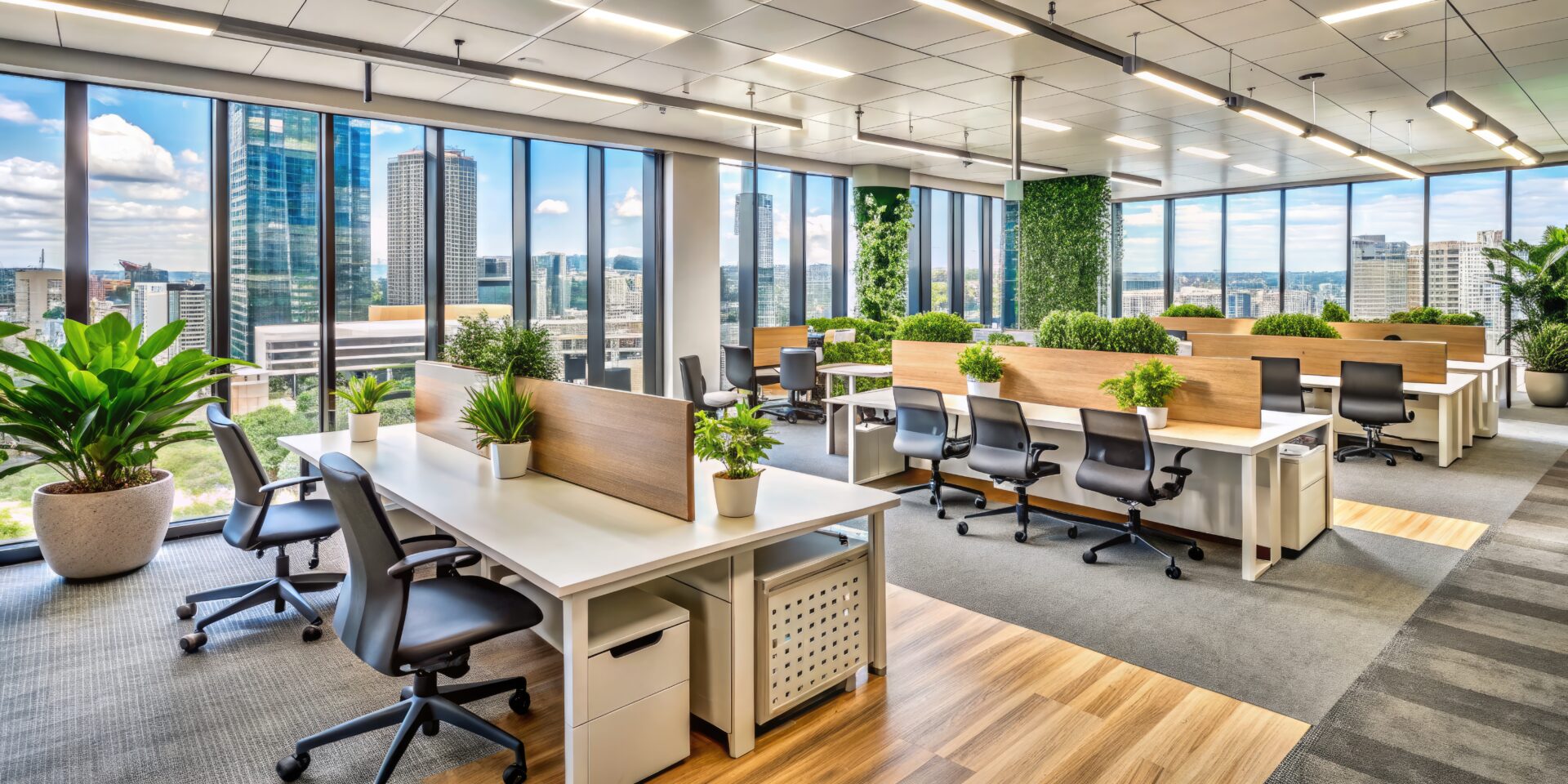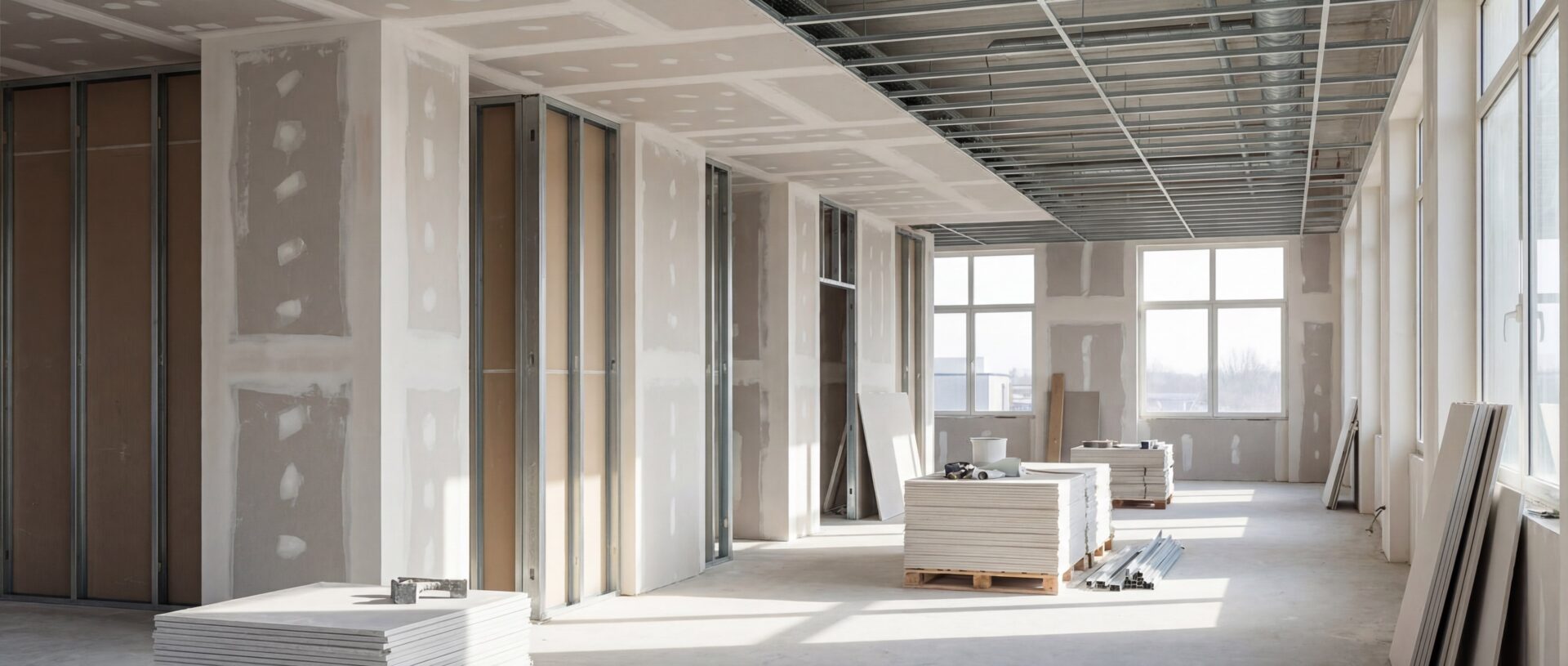
An office fitout is a major investment, and for many businesses, it’s not something they do often. Getting the most value from your fitout budget isn’t just about spending less, it’s about spending smart, prioritising what matters, and avoiding costly mistakes down the track.
Here are some practical ways to maximise the return on your fitout investment.

1. Prioritise Function Before Finishes
It’s easy to get caught up in colours, feature walls, and furniture styles, but the most successful fitouts start with how the space needs to work.
Key questions to resolve early:
- How many people will use the space daily?
- Do you need collaboration areas, private offices, or hot desks?
- What storage and technology requirements are critical?
When the layout and workflow are right, you avoid expensive changes later, and any design features you add will actually support how your team operates.
2. Invest Where It Impacts Daily Use
Not every part of the fitout needs premium finishes. The smart approach is to invest in areas that get the most daily use and visibility, such as:
- Workstations and seating
- Reception and client-facing areas
- Meeting rooms and collaboration spaces
Back-of-house areas can often be delivered with more cost-effective finishes without affecting performance or durability.
This balance helps stretch your budget while still presenting a professional, high-quality workspace.
3. Plan for Growth (Without Overbuilding)
A good fitout should support where your business is heading, but overbuilding for growth that’s years away can waste budget now.
Instead:
- Allow for modular furniture and flexible layouts
- Design spaces that can be reconfigured easily
- Ensure services (power, data, lighting) can be adapted later
This approach keeps upfront costs controlled while still protecting you from needing a full refit too soon.
4. Avoid Late Design Changes
One of the biggest causes of budget blowouts is changing plans once construction has started.
Late changes can mean:
- Reordering materials
- Reworking services
- Delays to project timelines
Spending more time upfront in planning, walkthroughs, and approvals saves significantly more money than rushing into installation.
Clear documentation and sign-off before works begin is one of the most effective budget-control tools.
5. Work with a Fitout Partner Who Understands Budget Trade-Offs
An experienced fitout provider doesn’t just build what’s on the drawings, they help you make informed decisions about where to spend and where to save.
This includes:
- Suggesting alternative materials that meet performance needs
- Adjusting layouts to reduce construction complexity
- Sequencing works to minimise downtime
Having a team that understands both design and construction allows you to optimise cost without compromising quality or compliance.
A great fit-out doesn’t end at handover. That’s why it’s important to choose a partner who offers ongoing support and maintenance. Commercial interiors experience daily wear and tear. Having a team who knows your space, understands the build, and can respond quickly ensures your workplace continues to perform at its best.
Fitouts That Work for Your Business and Your Budget
At Axess Commercial Interiors, every project starts with understanding how your business operates and what your budget needs to achieve. From smart layout planning to practical material choices, the focus is always on delivering long-term value, not just a good-looking space on day one.
If you’re planning a new office, refurbishment, or relocation, talking through options early can make a significant difference to both cost and outcome.